Aluminum: The Most Recyclable Beverage Package
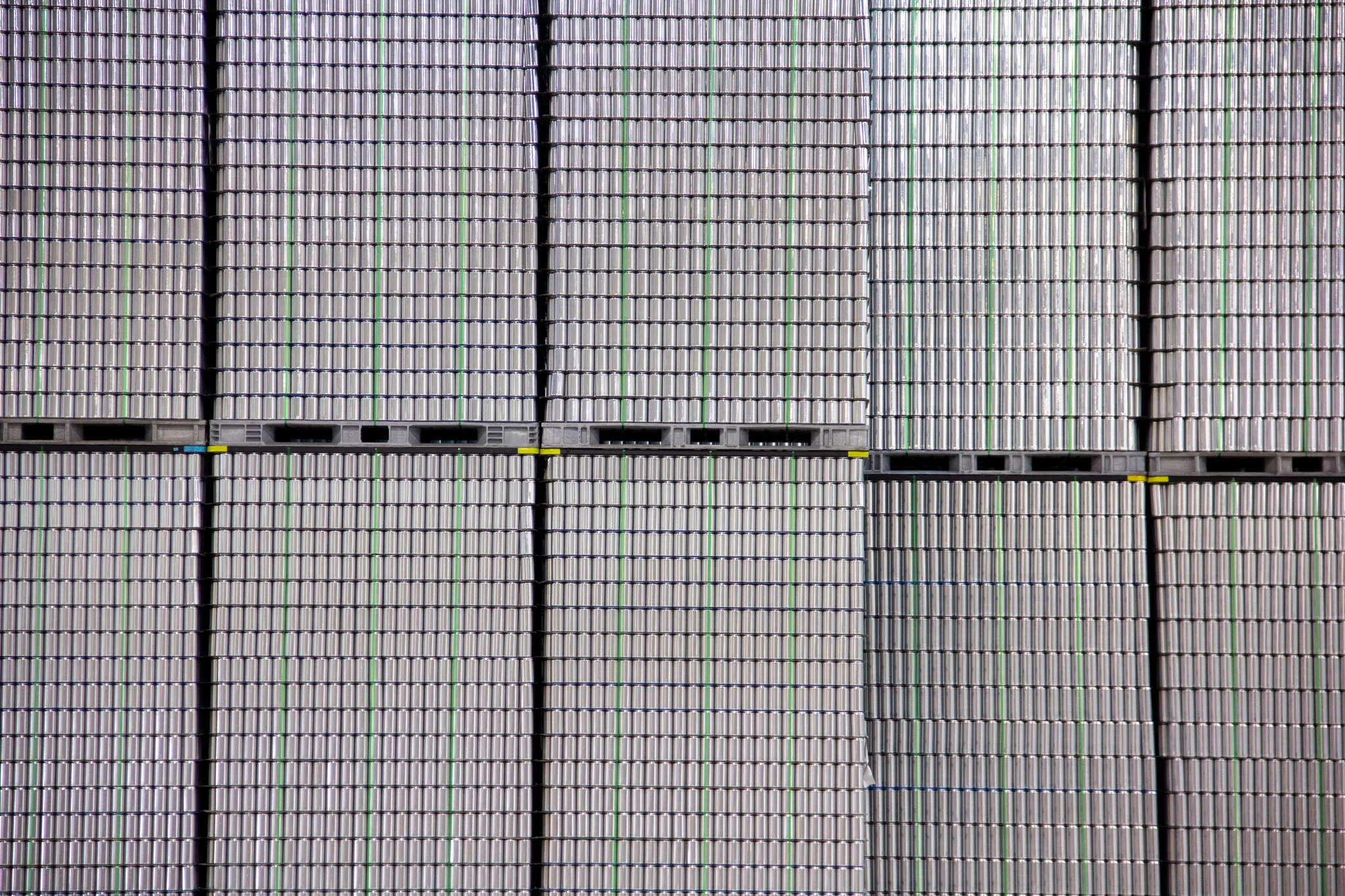
Aluminum is often considered the gold standard of sustainable packaging—and for good reason.
- Aluminum can be recycled infinitely without degrading its quality
- Nearly 75% of all aluminum ever produced is still in use today
- Recycling aluminum saves up to 95% of the energy required to make new aluminum from raw materials
Unlike plastic, aluminum does not “downcycle.” A recycled can can become another can, over and over again, with no loss of performance.
Digitally printed cans start with the same aluminum substrate as any other beverage can, meaning they enter the recycling stream exactly the same way.
Printing Does Not Change the Aluminum
One common misconception is that printing—especially newer digital printing technologies—somehow alters the recyclability of a can. In reality, the printing method has no impact on whether the aluminum itself can be recycled.
Whether a can is:
- Traditionally printed
- Digitally printed
- Partially metallic
- Fully ink-covered
…it is still made of aluminum and processed the same way at recycling facilities.
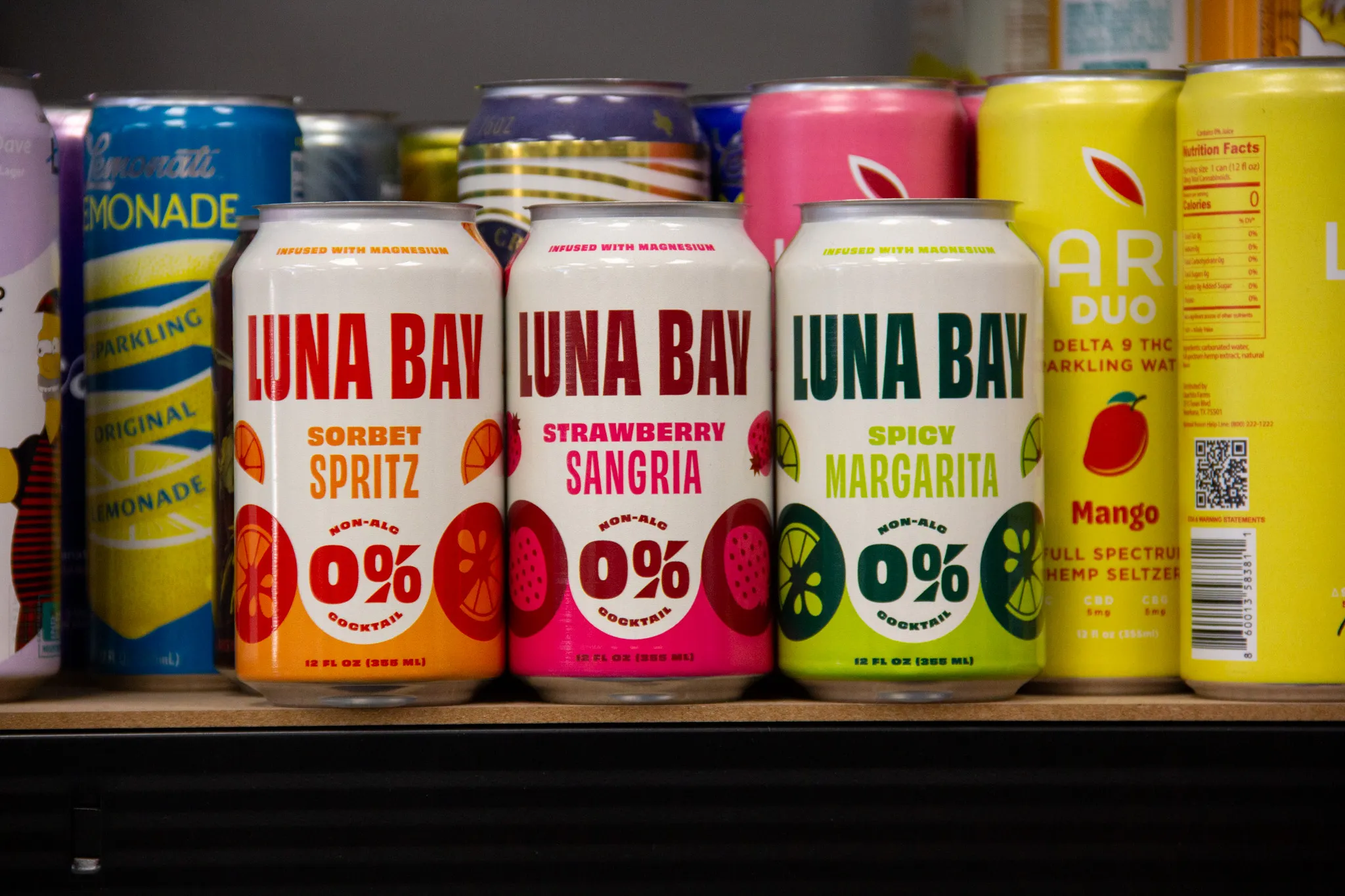
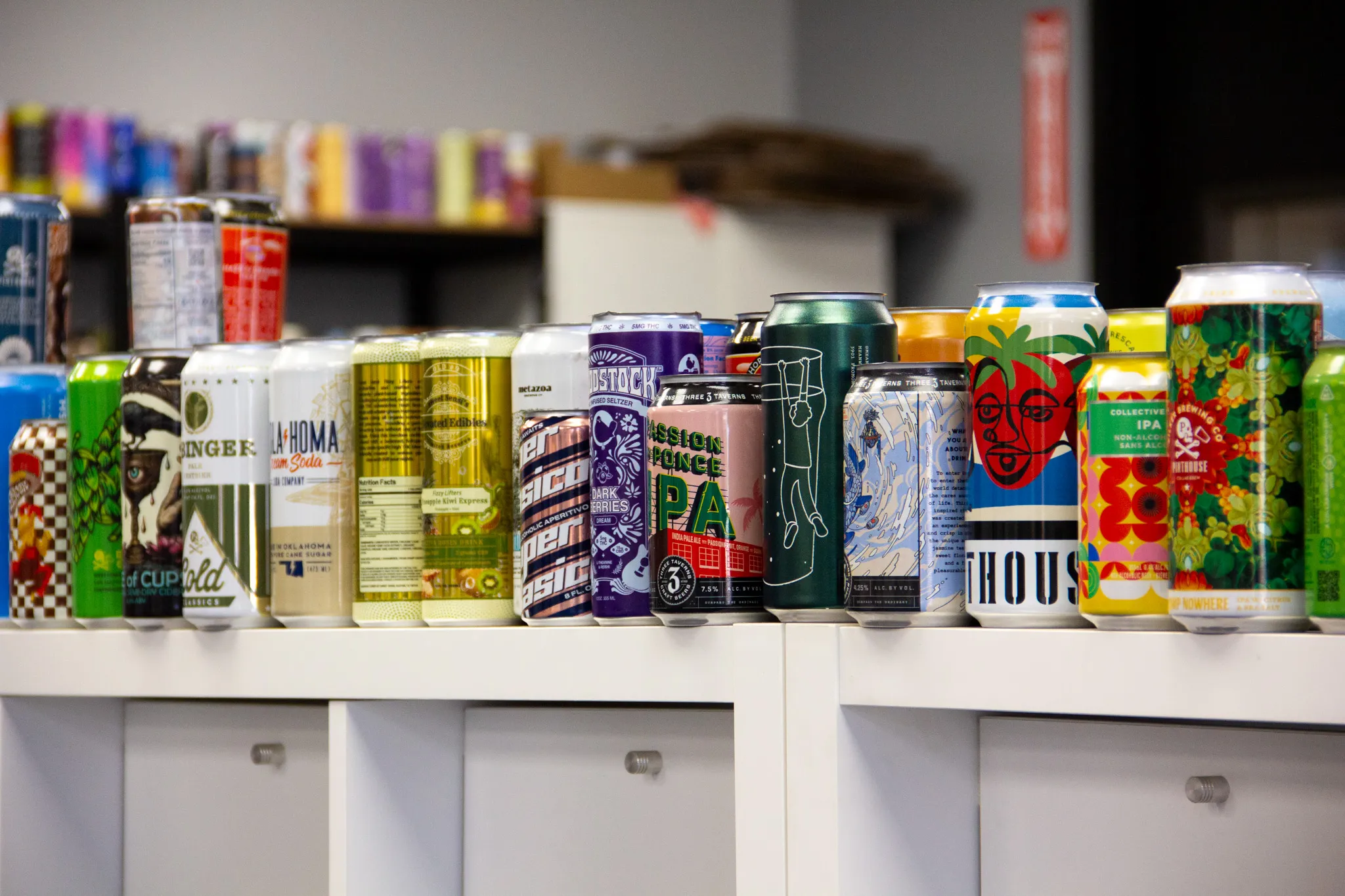
Digital can printing, like the technology used by Canworks, applies ink directly to the surface of the aluminum. That ink layer is extremely thin—measured in microns—and represents a negligible fraction of the can’s total mass.
What Happens During Aluminum Recycling
Understanding the recycling process makes it clear why digital printing poses no issues.
Step 1: Collection & Sorting
Used aluminum cans are collected and separated from other materials using magnets, eddy currents, and optical sorting systems.
Step 2: Shredding
Cans are shredded into small pieces, including the aluminum body and any applied inks or coatings.
Step 3: De-coating
Before melting, shredded aluminum goes through a thermal de-coating process. This step burns off:
- Inks
- Coatings
- Internal liners
This happens regardless of whether the can was digitally printed or traditionally printed.
Step 4: Melting & Recasting
The clean aluminum is melted and cast into new material—often destined to become new beverage cans within weeks.
From a recycler’s perspective, ink is expected and engineered for. Digital inks are simply another coating that is removed during normal processing.
Digital Inks Are Designed for Recycling
Modern digital can printing uses formulated inks specifically engineered for aluminum packaging. These inks must meet strict requirements for:
- Adhesion during filling and shipping
- Food-contact safety (externally applied)
- Durability under cold, moisture, and abrasion
- Clean burn-off during recycling
In other words, digital inks are designed to disappear during recycling.
They do not contaminate the aluminum, interfere with melting, or reduce the quality of the recycled material.
Digital Printing vs. Labels and Shrink Sleeves
One important sustainability distinction is what digital printing replaces.
Digitally printed cans eliminate the need for:
- Plastic shrink sleeves
- Pressure-sensitive labels
- Adhesives
- Multi-material components
Shrink sleeves, in particular, can complicate recycling if not removed properly. Sleeves increase the risk of contamination or mis-sorting when consumers don’t remove them.
Digitally printed cans avoid this issue entirely by keeping the package 100% aluminum.
No Additional Materials, No Separation Required
A key sustainability advantage of digital direct-to-can printing is simplicity.
- One material
- One recycling stream
- No peeling, tearing, or separating
Consumers don’t need instructions or special steps. They recycle a digitally printed can exactly the same way they recycle any aluminum can.
This ease of recycling improves real-world recycling rates, not just theoretical ones.
Lower Waste Through Shorter Production Runs
Recyclability isn’t the only environmental consideration—waste reduction matters too.
Digital can printing enables:
- Smaller minimum order quantities
- Test launches without excess inventory
- Seasonal or limited releases without overproduction
Traditional can printing often requires large runs to be cost-effective, increasing the risk of unused cans becoming waste. Digital printing helps brands align production more closely with actual demand.
Less excess inventory means:
- Fewer unused cans
- Less storage and transport
- Lower overall environmental impact
Faster Can-to-Can Recycling Loop
Aluminum has one of the fastest recycling loops in the packaging world. A used can can be recycled and back on the shelf as a new can in as little as 60 days.
Digitally printed cans fully participate in this closed-loop system. Once recycled, there is no trace of how the can was originally printed—only high-quality aluminum ready for reuse.
Addressing Common Myths
“The ink makes it unrecyclable”
False. All aluminum cans—printed or not—go through de-coating.
“Digital printing uses plastic coatings”
No. Digital inks are thin, engineered coatings that burn off during recycling.
“Metallic designs cause problems”
Also false. Metallic effects usually come from unprinted aluminum, which is ideal for recycling.
“It’s too new to be trusted”
Digital can printing uses well-understood ink chemistry and aluminum processing principles already proven at industrial scale.
Sustainability Without Compromise
Digitally printed aluminum cans prove that sustainability and innovation can go hand in hand. Brands don’t have to choose between creative freedom and environmental responsibility.
By combining:
- Infinitely recyclable aluminum
- Elimination of plastic labels and sleeves
- Reduced production waste
- High recycling participation
digital can printing supports both branding goals and sustainability commitments.
Companies like Canworks demonstrate that modern packaging technology can align with circular economy principles—without sacrificing performance, appearance, or recyclability.
The Bottom Line
Digitally printed aluminum cans are fully recyclable, compatible with existing recycling infrastructure, and often more environmentally responsible than alternative decoration methods.
For brands looking to reduce their environmental footprint while still standing out on shelf, digitally printed cans offer a compelling solution—one that keeps aluminum in circulation, plastic out of the waste stream, and sustainability front and center.