The Traditional Way: A Quick Point of Contrast
Historically, aluminum cans were decorated using offset lithography or dry offset printing. These methods rely on engraved plates that transfer ink to the can in multiple mechanical steps. While incredibly fast at scale, they come with limitations:
- Long setup and changeover times
- High minimum order quantities (often hundreds of thousands or millions of cans)
- Fixed artwork that can’t change without new plates
- Limited ability to personalize or version designs
Digital printing approaches the same problem from a completely different angle.
What “Digital” Means in Aluminum Can Printing
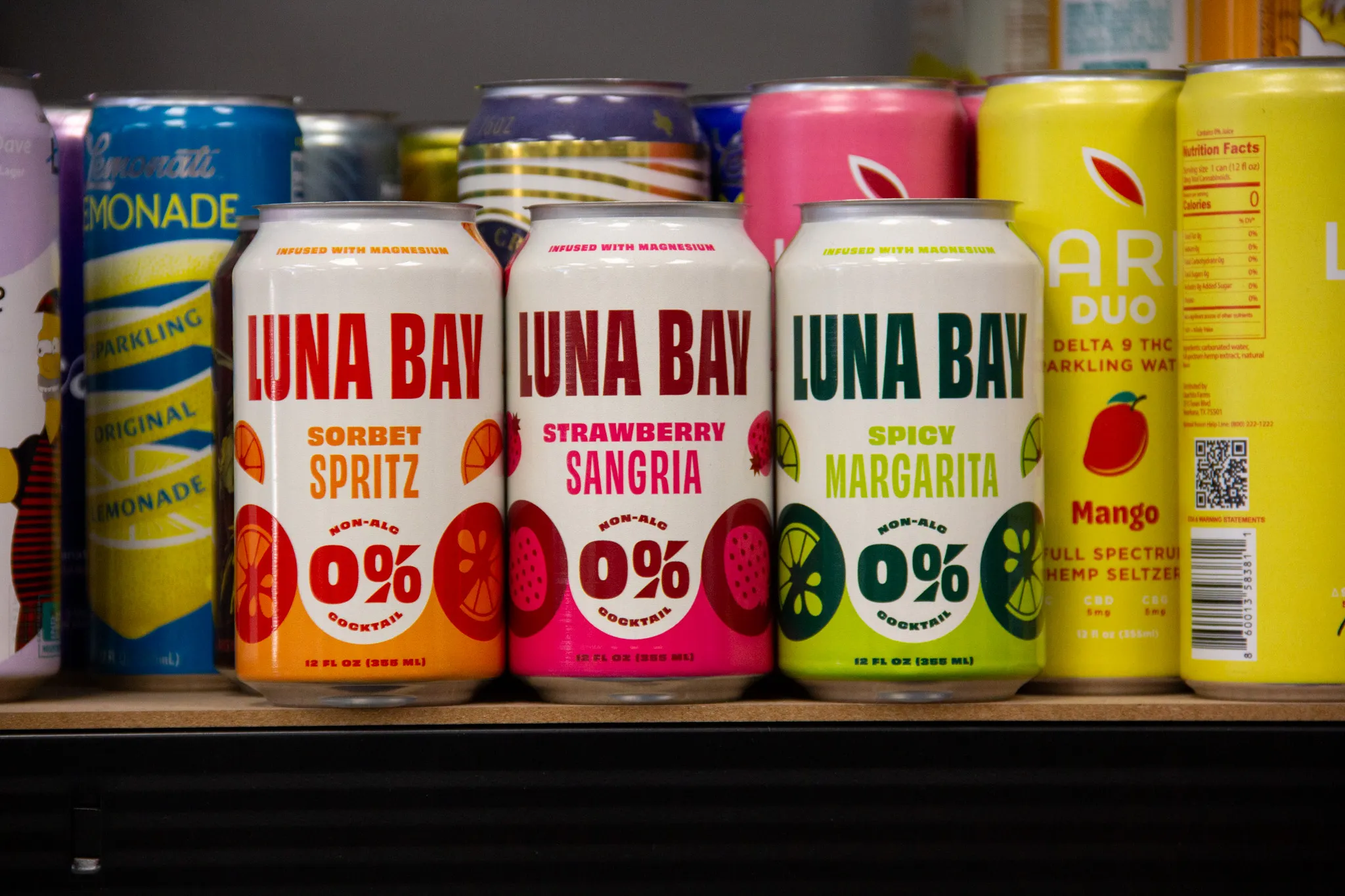
Digital aluminum can printing uses industrial inkjet print heads to apply artwork directly onto a pre-formed aluminum can. Instead of plates, the artwork exists as a digital file that is sent straight to the printer—much like a high-end commercial inkjet press, but engineered specifically for curved metal surfaces.
This eliminates plates entirely and allows each can to be printed uniquely if desired. In practical terms, that means shorter runs, faster turnaround times, and near-infinite design flexibility.
Step 1: Blank Can Preparation
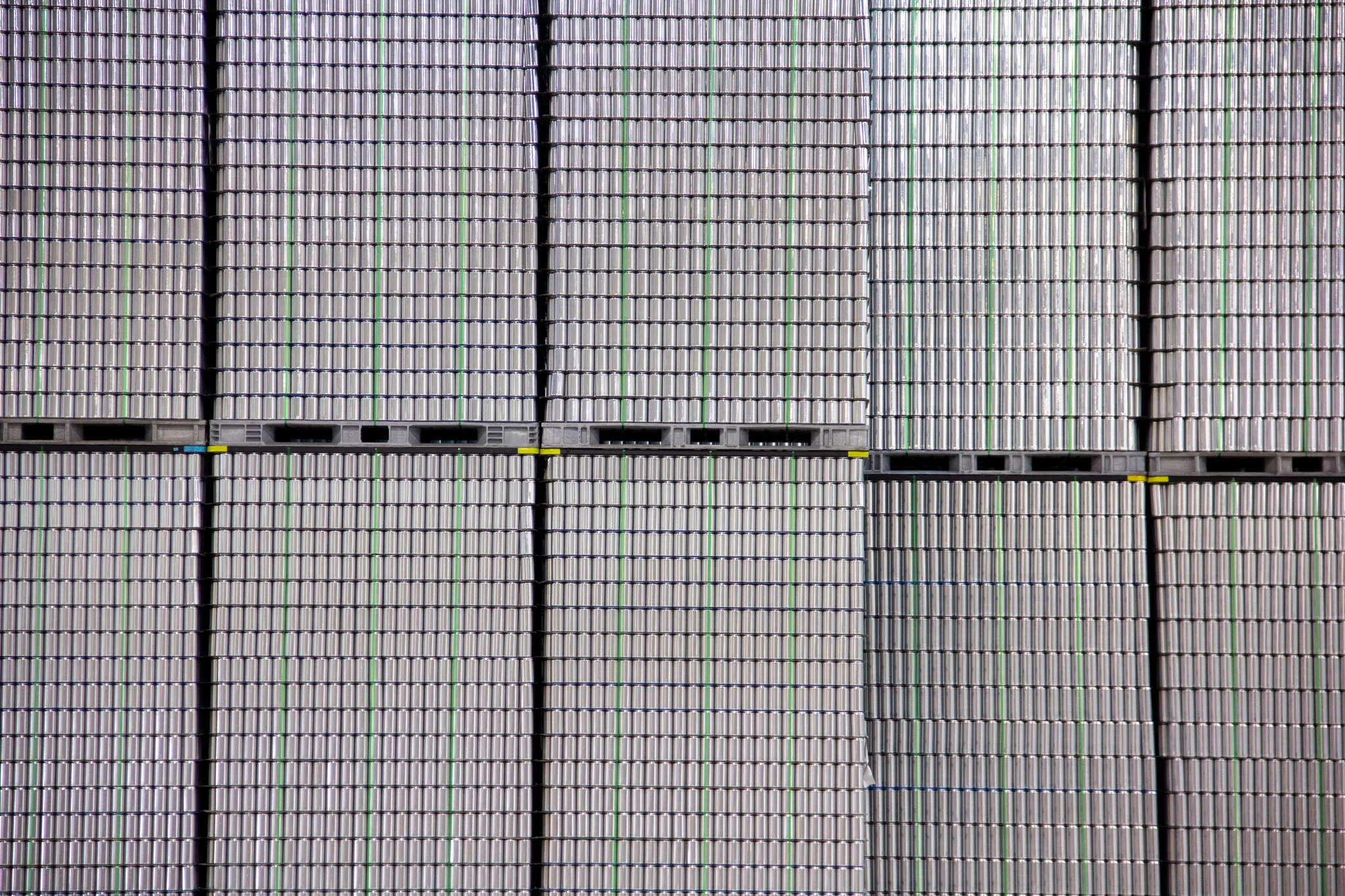
The process begins with standard, unprinted aluminum cans—often referred to as “brights” or “silver cans.” These cans are manufactured the same way as any other beverage can and arrive undecorated.
Before printing, the cans go through a surface preparation stage, which may include:
- Cleaning to remove oils or residues
- Surface treatment to improve ink adhesion
- Temperature stabilization to ensure consistent printing
Because aluminum is non-porous and smooth, surface prep is critical. Without it, even the best inkjet system wouldn’t produce durable, high-quality results.
Step 2: Digital Artwork & Color Management
All designs are handled digitally from the start. Designers submit artwork files—typically CMYK —which are processed through color management software calibrated specifically for aluminum substrates.
Unlike paper or labels, aluminum reflects light differently, so digital can printers rely on custom ICC profiles and precise ink control to ensure color accuracy. Whites, gradients, and fine details require particular attention, especially since many designs incorporate the natural metallic finish of the can itself.
Step 3: Direct-to-Can Inkjet Printing
Once prepped, cans are fed into a specialized rotary printing system. Each can is held in place and rotated as high-resolution inkjet print heads apply ink directly to the aluminum surface.
Key characteristics of this step include:
- Non-contact printing (the print head never touches the can)
- Extremely precise droplet placement
- Multiple passes for layered color and opacity control
- Real-time monitoring for alignment and quality
Because the process is digital, switching from one design to another is as simple as loading a new file—no plates, no downtime, no wasted materials.
Step 4: Ink Curing & Durability
After printing, the ink must be permanently cured so it can withstand filling, shipping, refrigeration, and consumer handling. Digital can printing systems typically use UV-curable inks or hybrid curing technologies.
The curing process:
- Instantly hardens the ink
- Bonds it to the aluminum surface
- Creates resistance to moisture, abrasion, and temperature changes
Once cured, the printed cans are durable enough to move through standard beverage filling lines just like traditionally printed cans.
Step 5: Quality Control & Inspection
Our can printing lines incorporate automated inspection systems that check:
- Color consistency
- Registration accuracy
- Ink coverage
- Surface defects
Because every can is printed individually, quality issues can be identified immediately rather than after thousands of units have already been produced.
Why Digital Aluminum Can Printing Matters
Digital printing doesn’t replace traditional can decoration—it complements it. For many brands, especially craft beverage producers, the advantages are transformative:
Lower Minimum Orders
Digital printing allows economically viable runs in the tens of thousands—or even less—rather than hundreds of thousands or millions.
Faster Time to Market
Without plates or lengthy setup, production can begin almost immediately after artwork approval.
Unlimited Design Flexibility
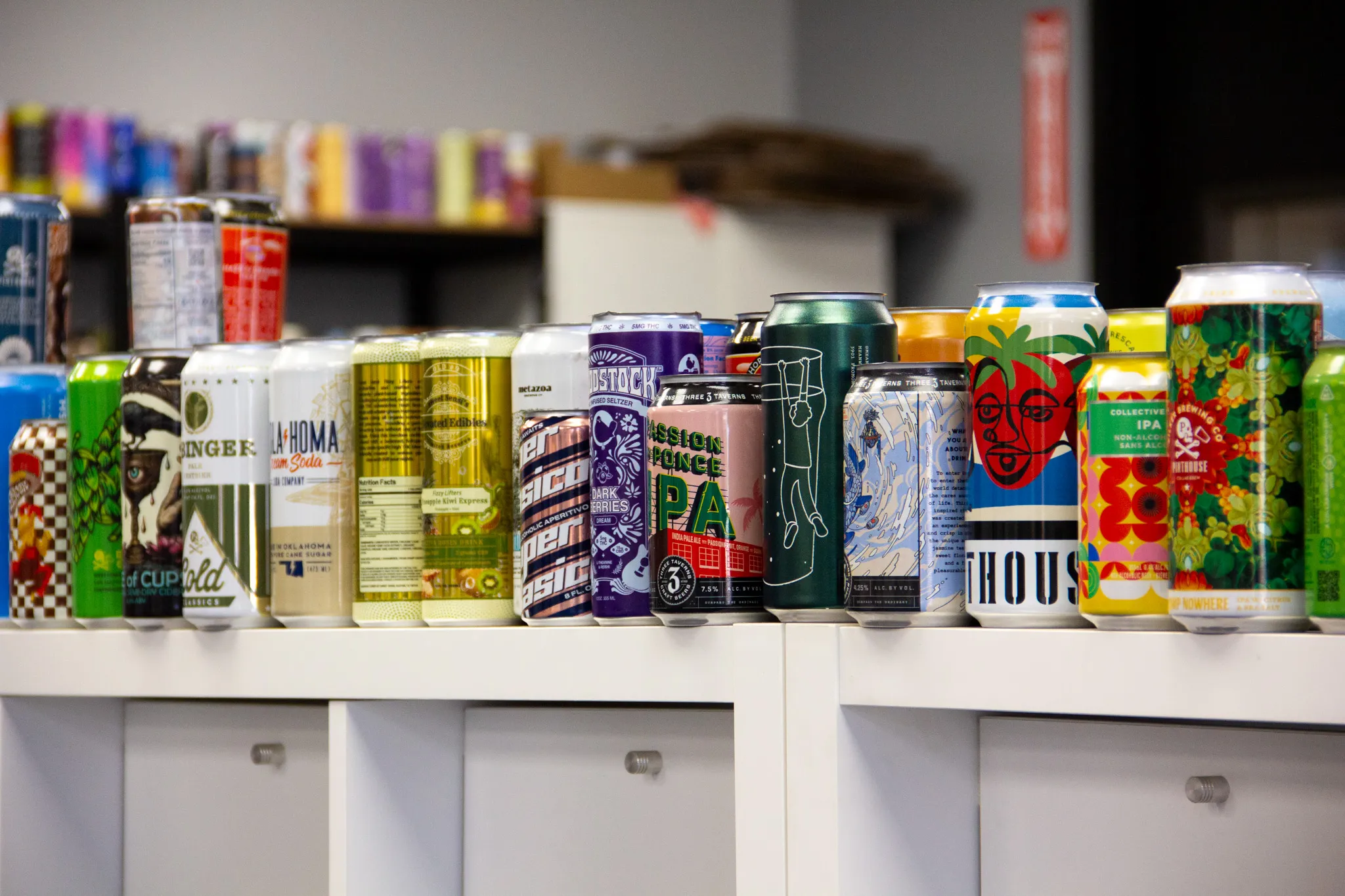
Seasonal releases, limited editions, regional branding, and test launches become practical instead of risky.
Built-In Sustainability Benefits
Shorter runs reduce excess inventory and waste, while eliminating printing plates cuts material usage.
The Future of Can Decoration
As inkjet technology, software, and curing systems continue to advance, digital aluminum can printing will only become more capable. Higher speeds, expanded color gamuts, and improved durability are already pushing the technology into use cases that were once considered impossible for digital methods.
Companies like Canworks represent this new generation of can decoration—one where speed, creativity, and flexibility matter just as much as scale. For brands navigating an increasingly crowded beverage market, digital printing isn’t just a production choice; it’s a strategic advantage.